Systems-First Design
We start with rules, not stories. A satisfying system generates narrative moments we didn't script. We believe emergent play is more valuable than authored spectacle.
Curated Catalog
A forensic archive of interactive work. Each title is a case study in creative constraint, technical problem-solving, and intentional design. Scroll to explore the ethos.
This portfolio isn’t a highlight reel. It’s a map of decisions. Every game listed answers a specific, narrow question: How do you make a minimalist touch input feel as deep as a joystick? The answers here are honest about what was sacrificed to achieve them.
Section 1
Before browsing the projects, understand our vocabulary. These aren't buzzwords; they're our creative filters.
We start with rules, not stories. A satisfying system generates narrative moments we didn't script. We believe emergent play is more valuable than authored spectacle.
A touch is a sentence. A swipe has intent. We reject virtual joysticks. Every input must feel native to the device, translating muscle memory into gameplay logic.
Freedom paralyzes. Limits liberate. Our best ideas emerge from technical walls—mono-audio, single-button inputs, or 200MB file size budgets. Scarcity forces clarity.
Scenario: A Solo Developer's Constraint
“I had one week to finish the build for the Steam Next Fest. My laptop died, leaving me with just a tablet. I scrapped all complex UI and built the entire game around a single swipe gesture. That limitation became the game’s core hook. The patch that week was only 45 kilobytes.”
— Anonymized scenario from a collaborative developer journal, 2024.
Section 2
Systemic Puzzle | 2025
A gravity-based puzzle where every screen flip is a commit. Designed to be played one-handed on a crowded train. The mechanic emerged from a bug where a collision detection failed 100% of the time.
Narrative Experience | 2024
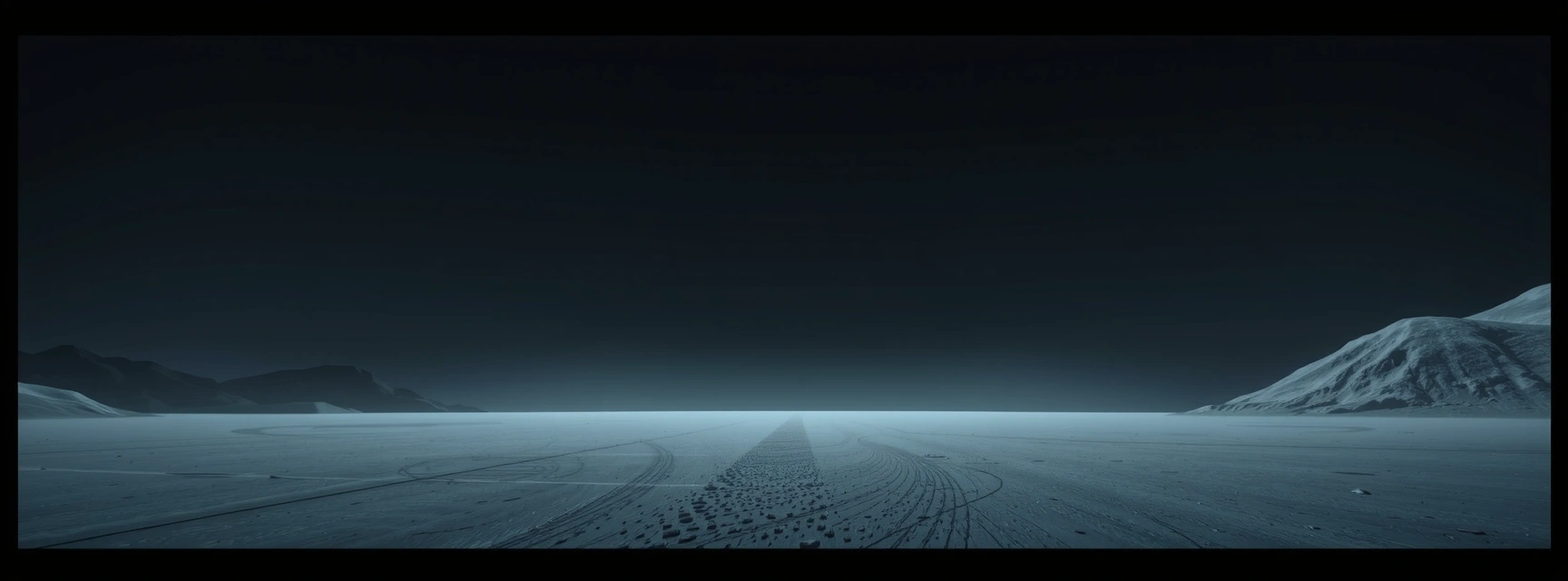
A game about walking with no goal. The trade-off: minimal gameplay depth for maximum atmospheric immersion. Built during a 48-hour game jam; the constraint was "no fail state."
Rhythm / Reflex | 2023
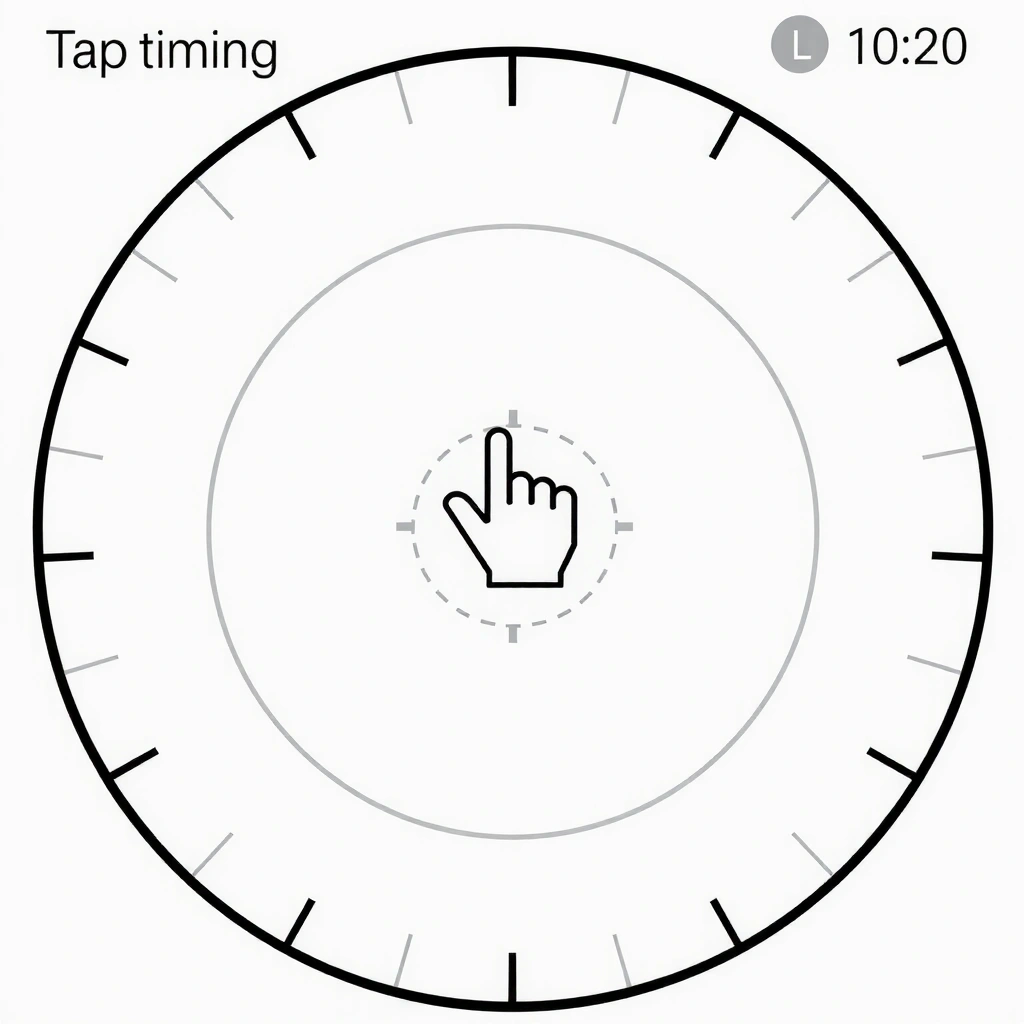
The audio engine was the first thing built. The game was reverse-engineered around the BPM of a specific Berlin techno track. Every visual element pulses in 4/4 time.
"We cut the ability to jump. It was our favorite animation. But jumping implies an obstacle. We wanted only the horizon. The final game has 23 buttons. None of them jump."
Shift (systemic) offers infinite replay value but can feel cold. The Long Walk (narrative) is a powerful one-time experience but doesn’t reward replay. Our portfolio is 70/30 in favor of systemic design. We believe systems have longer cultural tails.
Next: Mapping the Range
Where does a 'systemic puzzle' sit on the map? Is a narrative experience 'more playful'? We plot every project on a single axis to visualize our philosophical range.
Section 3
Strength: Immediate feedback. Cost: Limited thematic depth. Mitigation: Audio design carries the emotional weight.
Strength: High replayability. Cost: Steep learning curve. Mitigation: Gradual system discovery via tutorial levels.
Strength: Emotional resonance. Cost: No engagement loop. Mitigation: Perfect as a palate cleanser between genres.
Gap Analysis: We consciously avoid pure match-3 or endless runner genres. Our playfulness requires player agency, not just pattern recognition.
Section 4
A deep-dive into the making of our most systemic puzzle game.
"Happy Accident": A physics bug caused blocks to phase through each other. We designed the entire 'ghosting' mechanic around this bug. The purple grid was temporary debug art we kept.
The final shape is pure geometry. The purple debug grid is gone, replaced by a subtle, pulsing outline that reacts to the beat. The bug became the feature.
Multiplayer Co-op
We imagined a shared canvas. Reality: conflicting inputs created chaos, not harmony. Connection lag made it unplayable.
Narrative Voice-Over
A narrator explaining the "rules." It killed the player's own discovery. Silence felt more mysterious and engaging.
Haptic Feedback on Every Tap
The vibration felt good for 5 minutes. For 50 minutes, it was distracting and drained the battery. We kept it for critical events only.
In-Game Color Themes
"Customize your palette." It sounded nice, but we realized the color contrast was a gameplay mechanic itself. Changing it broke the challenge.
We are not a traditional studio. We take on selective collaborations, often working with indie developers or brands needing a novel interactive experience. If you're solving a hard design constraint, we should talk.